Why power became the binding constraint
Power became the binding constraint because load growth arrived faster than the grid could expand. For most of the last two decades US electricity demand was roughly flat, so utilities planned conservatively and built little new transmission. AI training and inference clusters changed the demand curve within a few years, arriving alongside electrification and new industrial load, often as single campuses larger than any customer a utility has served.
Supply cannot catch up quickly. New transmission lines routinely take the better part of a decade from planning to energization. Large power transformers have lead times measured in years rather than months, and gas turbines and switchgear sit on similar backlogs. A utility can want to serve a campus and still be physically unable to do so on the developer's timeline.
The result is a queue on the load side of the meter. Many utilities now run formal large-load interconnection processes with application fees, study phases, and deposits that mirror the generation queue. Available capacity is being claimed by whoever files first with a credible request. Cheap land near fiber, which used to win a site selection, is now worth little without a documented path to energization.
How large-load interconnection differs from generation interconnection
Large-load interconnection is a retail service request governed by the utility and its state regulator, while generation interconnection is a wholesale process under federally regulated tariffs. A generator is studied for its impact on the network and pays for the upgrades it causes. A large load is asking the utility to serve it, so the utility studies whether its system can deliver the requested megawatts reliably, what upgrades are needed, and who pays.
The load study examines the substation, the transmission path feeding it, and the wider system under peak conditions. The output is an estimate of upgrade scope, cost, and schedule, followed by an agreement that sets terms. Utilities increasingly file dedicated large-customer tariffs defining minimum sizes, study fees, and the commitments a customer must make before the utility spends capital on its behalf.
Those commitments are the part site selectors underestimate. Contribution in aid of construction shifts some or all of the upgrade cost to the customer up front. Minimum bills and take-or-pay style provisions require payment for a share of contracted capacity whether or not it is used, sometimes for a decade or more, protecting other ratepayers if the campus never reaches full load. Collateral, exit fees, and ramp schedules are now standard.
Phased energization is the practical outcome. Rather than delivering the full request on one date, utilities typically offer an initial block from existing headroom, then further blocks as upgrades complete. A site marketed as a gigawatt may see a fraction of that in the first phase, with the balance tied to a transmission project whose schedule the utility does not fully control.
What powered land means and why it commands a premium
Powered land is a parcel with a documented, contractually supported path to electric service at data center scale, not merely a parcel near a substation. At the strongest end it means an executed service agreement specifying megawatts, voltage, and energization dates. At the weaker end it means a will-serve letter, a completed study, or a queue position with deposits paid, and the buyer must establish which applies.
The premium exists because power is the scarce input and time is the expensive one. An operator that can energize two years sooner captures revenue a slower site cannot, so land that shortens time-to-power is worth a multiple of comparable land without it. Developers who secure capacity early and then bring in an operator are essentially selling the queue position and study work.
Substation capacity and transmission voltage
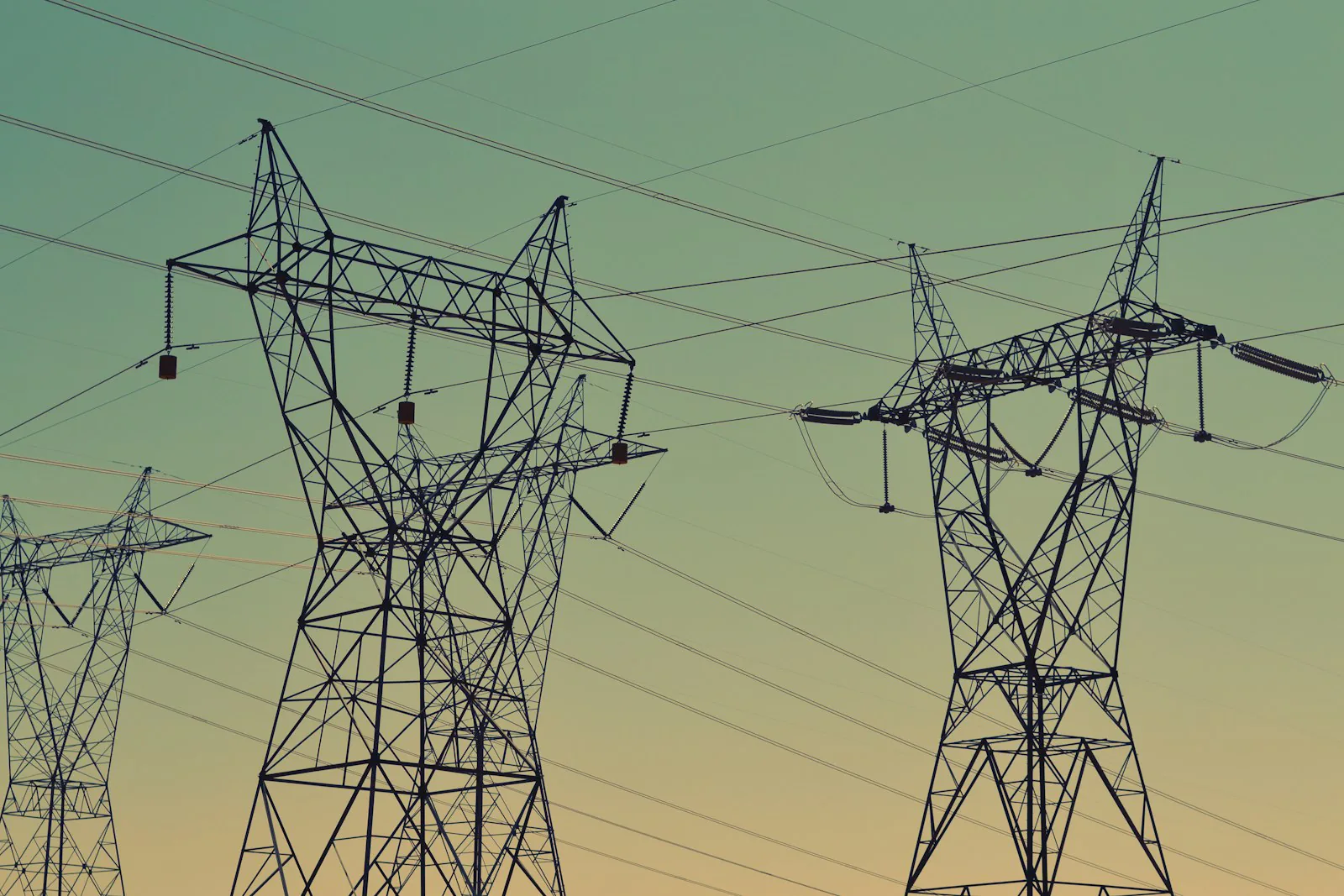
The physical questions are where the nearest substation is, what voltage feeds it, and how much headroom it has. Distribution voltages serve loads in the tens of megawatts at most. A campus of a few hundred megawatts generally needs a dedicated substation fed from 115 kV or 138 kV transmission, and requests approaching a gigawatt usually need 230 kV or 345 kV service with multiple lines for reliability.
Higher voltage is not automatically better. Connecting to a nearby 345 kV line requires a new substation, breakers, and transformers sized for that voltage, which is expensive and slow. An existing 138 kV substation with spare transformer capacity and open bays can be faster even if its ceiling is lower. The trade-off between speed of the first phase and size of the final build is the central design decision.
Headroom is the hardest number to obtain. Some utilities publish hosting or load-serving capacity by substation, but most disclose it only through the study process. Indirect evidence helps: transformer counts and ratings in public data, the age and loading of nearby lines, recent upgrade filings, and how many other large loads or generators have queued at the same point of interconnection.
Behind-the-meter and co-located generation
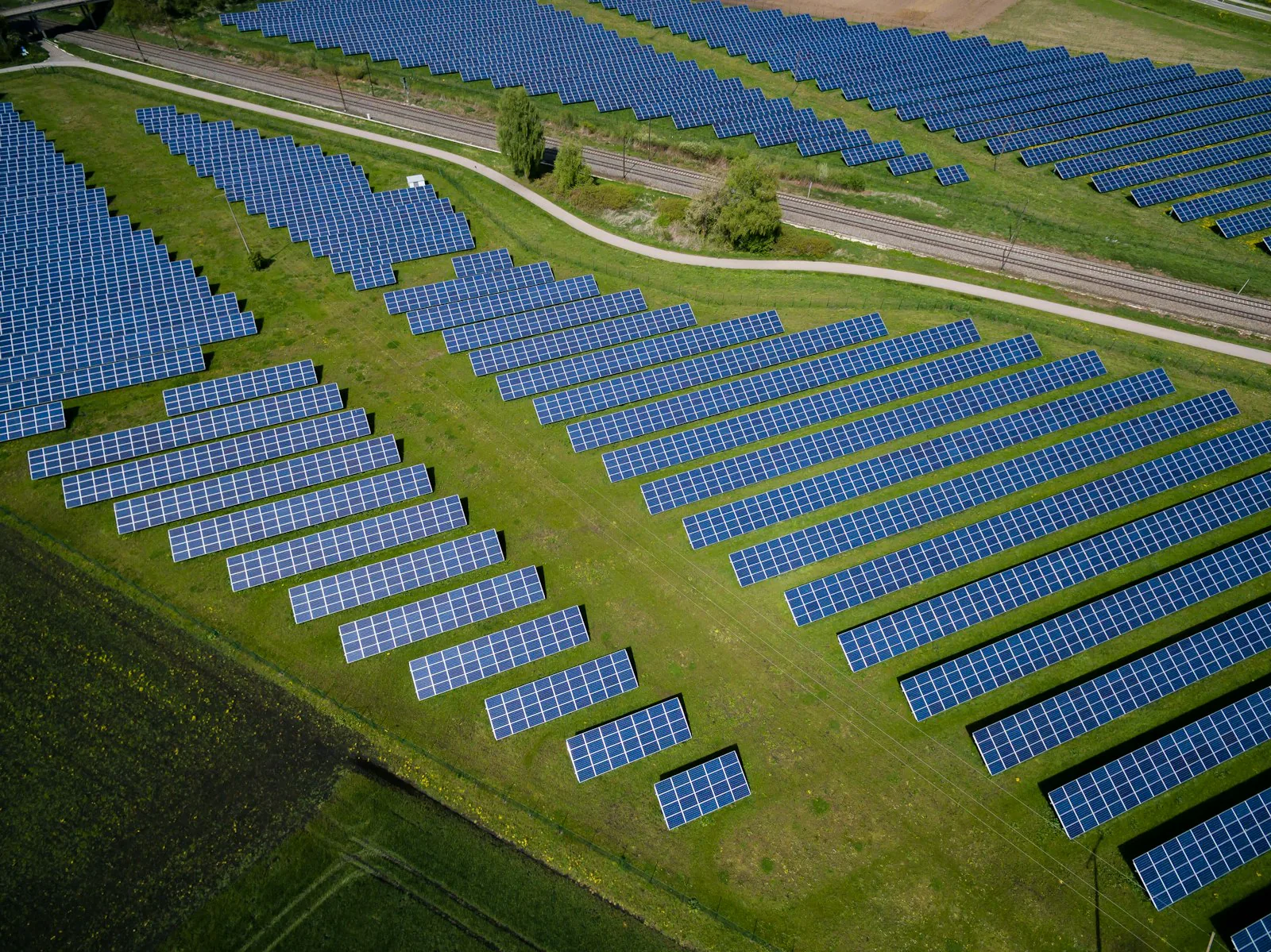
When the grid cannot deliver on schedule, developers look at generating some or all of the power on site. Natural gas engines and turbines are the most common option because they are dispatchable, but they face their own equipment backlogs, air permitting, and fuel supply questions. Solar plus storage can supply a meaningful share of annual energy, but rarely provides firm capacity for a continuous load.
Co-location with existing or planned generation is the other route: siting next to an operating plant, a retired thermal site with stranded transmission rights, or a large renewable project that already holds a generation queue position. Rules for how a co-located load may use the grid connection vary by ISO and are actively being contested and reformed, so the regulatory path deserves as much diligence as the engineering.
Bridging power is the pragmatic middle ground. Temporary on-site generation, batteries, or an early grid phase serves the first buildings while the utility completes upgrades for the rest. The financial model needs to carry the cost of the bridge and the risk that the permanent solution slips.
Water, cooling, fiber, and the rest of the checklist
Water is the second constraint. High-density compute rejects enormous heat, and evaporative cooling consumes water in volumes that can strain local supply or provoke opposition. Closed-loop and air-cooled designs reduce consumption at the cost of more electricity, which feeds back into the power question. Confirm water rights, discharge capacity, and local tolerance early, because these can kill a site that has power.
Fiber and latency are now tertiary for most training and large inference campuses, because long-haul fiber can be built to almost any site faster than a substation. Latency still governs sites serving real-time workloads, and diverse fiber routes matter for resilience. Land, zoning, tax policy, and construction labor remain real inputs, but they rarely decide the outcome the way power does.
Red flags in a powered site pitch
The most common red flag is capacity described without a source. Phrases like power available or adjacent to transmission mean nothing until attached to a utility document with a date, a megawatt figure, and a voltage. Ask who at the utility confirmed it, in what form, and whether that confirmation survives the site changing hands.
Other warning signs: a headline megawatt number that quietly refers to the final phase, a study that has expired or was run for a different load profile, a will-serve letter with no schedule, deposits not actually paid, and a queue position that belongs to a generator rather than a load.
Be equally cautious of a pitch that ignores commercial terms. If nobody can describe the expected contribution in aid of construction, the minimum bill, or the ramp schedule, the seller either has not gotten far enough with the utility or is hoping the buyer will not ask.
A practical evaluation sequence
Start with the desk screen before spending on land. Pull transmission line and substation locations, voltages, and any published capacity data for the region. Overlay generation and load queue activity to see where capacity is being claimed and where new supply is planned. Add retired plants and industrial sites with large existing service. Score candidates on distance to the right voltage, evidence of headroom, and competing requests at the same node.
Second, take the shortlist to the utility with a specific ask: megawatts by phase, target energization dates, voltage preference, and load profile. Utilities respond faster and more candidly to a concrete request than to an open question. Ask which tariff applies, how long the study takes, and whether other customers are ahead of you at that substation.
Third, convert the answers into time-to-power for each candidate, with the megawatts available in each phase and the commitments required to get them. Time-to-power, not price per acre or even total capacity, is the metric that should rank the list. Modern screening platforms such as Basepoint bring transmission, substation, hosting capacity, and queue data into one workspace so this first pass takes hours instead of weeks. Water, fiber, and zoning follow on the sites that survive.